Trip Planning
Resort Golf vs. Destination Golf: What You're Actually Paying For
A clear breakdown of two different golf travel styles and how to choose the right one for your trip.
Trip Planning
A clear breakdown of two different golf travel styles and how to choose the right one for your trip.
There are two fundamentally different ways to travel for golf, and most golfers don't think about which one they're choosing until they're already committed to the wrong one.
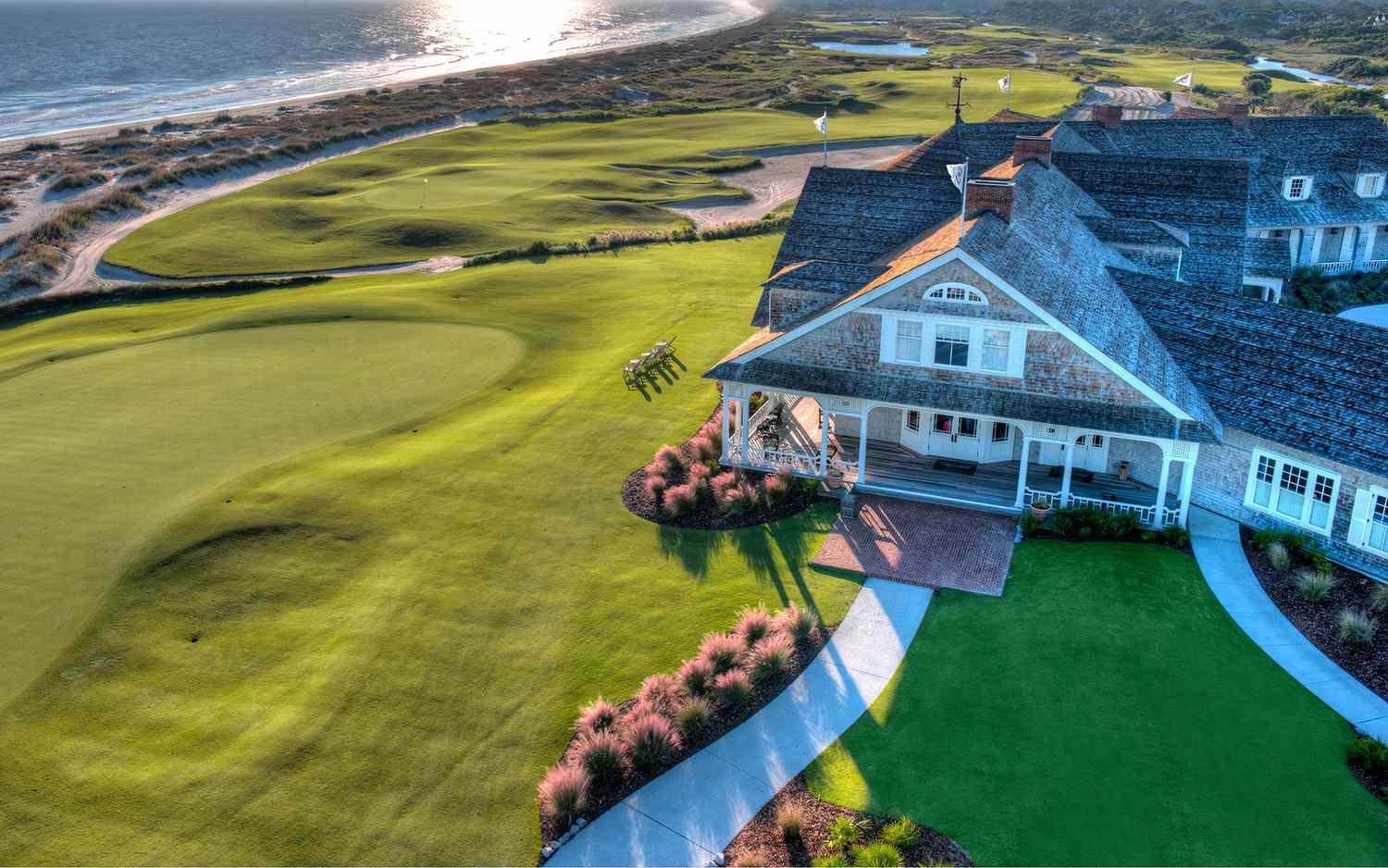
Resort golf means you're staying at a property that includes or adjoins one or more golf courses. You wake up, eat breakfast, walk to the first tee. The golf is part of a larger package that includes the hotel, the spa, the restaurants, the pool, the concierge who books your tee time. The experience is integrated.
Destination golf means you're traveling to play specific courses, and the accommodation, transportation, and logistics exist in service of those rounds. You might stay in a B&B in a small town, rent a car, and drive 30-45 minutes each morning to a different course. The golf is the point. Everything else is support.
Both are great. Both have trade-offs. Understanding which one you're signing up for changes how you plan, what you pay, and whether the trip delivers.
Convenience. The eliminating-friction factor is the main product. You don't think about transportation, timing, or logistics. You roll out of bed, walk to the bag drop, and someone's already loaded your clubs onto a cart. Between rounds, the pool, the beach, the restaurant are right there. If you're traveling with a non-golfer, the resort handles their day too.
Conditioning. Resort courses tend to be immaculately maintained because the green fees are built into the resort revenue model and the course is part of the brand experience. Fairways are green, bunkers are raked, greens are smooth. The course is manicured to look the way it does in the brochure.
Predictability. The experience is designed. Check-in, first round, dinner, second round, spa, departure. The resort has done this thousands of times and they've optimized every touch point. You know what you're getting before you arrive, which is comforting if surprises aren't what you're looking for on vacation.
The companion factor. If you're traveling with a spouse, family, or group where not everyone plays golf, a resort solves the "what does everyone else do" problem. The golf course is one amenity among many. You play 18, your partner gets a massage, you meet for lunch. Nobody feels abandoned.
The best resort golf experiences: Bandon Dunes (Oregon), Kiawah Island (South Carolina), Pinehurst (North Carolina), Kapalua (Maui), Streamsong (Florida), Barnbougle (Tasmania). Each of these has multiple courses, high-quality accommodation, and a golf-centric identity that means the course design isn't an afterthought.
Variety. In a week of destination golf, you might play 5-7 different courses across different landscapes, design philosophies, and eras. Monday is a clifftop links, Wednesday is a heathland course, Friday is a historic parkland layout. The variety makes each round more interesting because you're constantly adapting.
Authenticity. Playing a local municipal course in Ireland, eating at the pub next to the 18th green, and chatting with members at the bar after your round is a different experience than playing a resort course, eating at the resort restaurant, and chatting with other resort guests. The cultural layer is thicker when the golf is embedded in a community rather than a property.
Cost efficiency (sometimes). Destination golf can be cheaper than resort golf because you control the accommodation, the meals, and the course selection separately. A solid hotel in Dornoch, Scotland, costs a fraction of a resort room at Pinehurst, and the golf at Royal Dornoch is world-class. But it can also be more expensive if you're chasing premium courses with high green fees across a region.
The adventure factor. Finding the course, driving through the landscape, arriving at a clubhouse you've never seen before, figuring out the local etiquette. Destination golf has a discovery element that resort golf, by design, eliminates. If you like the feeling of arriving somewhere new and working it out as you go, destination golf delivers that every morning.
The best destination golf regions: the Scottish Highlands, the southwest coast of Ireland, the Sandbelt in Melbourne, the Garden Route in South Africa, the links courses of northwest England (Silloth, Seascale, Sunderland Point). These areas have clusters of strong courses within driving distance, interesting towns, and a culture that makes the off-course time as good as the on-course time.
Resort golf and destination golf cost differently, even when the total spend is similar.
Resort golf bundles costs. You're paying for the room, the course, the amenities, the service, and the setting as a single product. A week at a top resort (room + 5 rounds + meals) might run $3,000-7,000 per person depending on the property and the season. The all-in price is predictable, which makes budgeting straightforward.
Destination golf distributes costs. Green fees are separate from accommodation, which is separate from transportation, which is separate from meals. A week of destination golf in Scotland (hotel + 5 top courses + car rental + meals) might run $2,000-5,000 per person. The range is wider because you control each variable independently. You can splurge on the courses and save on the hotel, or vice versa.
The hidden cost of destination golf is time. Driving between courses, navigating unfamiliar roads, finding parking, checking into a new hotel. These logistics consume hours that resort golf gives back to you. If your vacation time is limited (5 days or fewer), resort golf's efficiency advantage is significant. If you have a week or more, destination golf's variety advantage grows.
When you're traveling with non-golfers. When the trip is equal parts golf and vacation. When you want to play the same course multiple times (resort courses reward repeat play because you learn the nuances). When you value consistency and don't want to think about logistics. When you're in a destination where the resort course is genuinely the best option in the area.
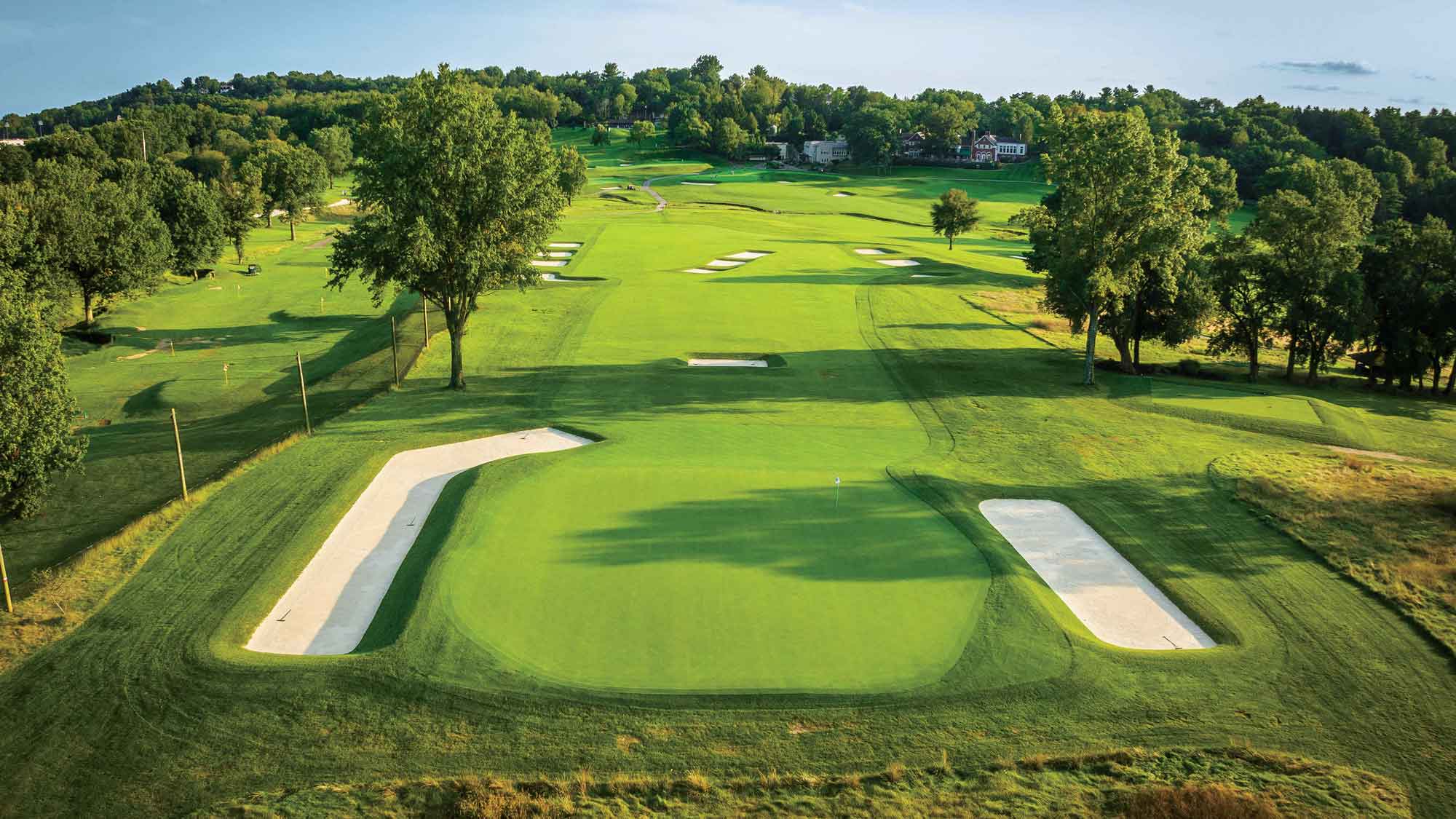
When golf is the primary reason for the trip. When you want maximum variety in your rounds. When you're traveling with a group that's all-in on golf. When the region has a density of strong courses that no single resort can match. When you want the experience of the place, not just the resort.
The best trip planners sometimes combine both models. Use a resort as your base for 2-3 nights, play the on-site course, enjoy the amenities, then move to a different town and play 2-3 destination courses from a hotel. This gives you the convenience and comfort of resort golf for part of the trip and the variety and adventure of destination golf for the rest.
A week in the Algarve, for example: 3 nights at Quinta do Lago (play San Lorenzo and the South Course, use the resort pool and restaurants), then 3 nights in Lagos (play Palmares, Espiche, and a twilight round at Penina from a rented apartment). Same region, two completely different trip experiences.
Before you book anything, ask yourself one question: am I looking forward to the courses, or am I looking forward to the trip?
If the answer is the courses, you're a destination golfer. Build the trip around the rounds and figure out the rest second.
If the answer is the trip (the setting, the food, the relaxation, the experience as a whole), you're a resort golfer. Find the best property and let it handle the details.
Both answers are right. The mistake is choosing one when you wanted the other.